
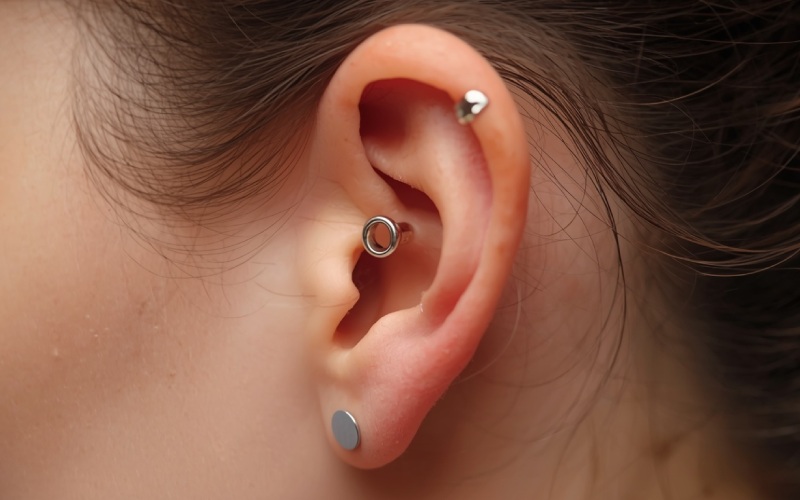
Body modification has developed into a broad form of personal expression, ranging from traditional tattoos and conventional ear piercings to highly specialized styles. Among the more unusual terms found in body-modification communities is “lobotomy piercing.”
The name can sound alarming because it refers to a historical medical procedure. However, a piercing described by this name does not involve the brain or skull. The term is generally used as a dramatic description for an unconventional piercing associated with the upper ear and temple area.
Because terminology can vary within the body-modification community, it is important to understand what the term means, why it attracts attention, and what safety considerations surround complex piercings.
What Is a Lobotomy Piercing?
A lobotomy piercing is a niche body-modification style generally described as a deep or unusual piercing positioned around the upper ear and temple-side region.
Its appearance can create the visual impression that jewelry extends unusually far toward the side of the head. This unusual placement is largely responsible for the provocative name.
Despite the terminology, the piercing does not enter the brain and is not a medical procedure.
The exact placement and technique can vary, and the term is not a standardized medical or anatomical classification. Anyone encountering the term should therefore avoid assuming that every piercing described as a “lobotomy piercing” has exactly the same placement.
Why Is It Called a Lobotomy Piercing?
The name is primarily associated with the visual concept of the piercing rather than its medical function.
A lobotomy was a historical neurosurgical procedure that involved altering connections within the brain. The procedure was used during parts of the 20th century and later became widely criticized because of its serious consequences and ethical concerns.
The piercing name borrows the word for dramatic effect. The resemblance is metaphorical and visual, not anatomical.
This distinction is important because the terminology can otherwise create the false impression that the piercing has some connection with neurosurgery.
What Does It Look Like?
The appearance depends on the person’s anatomy and the particular style used by the body-modification professional.
Generally, the design is intended to create an unusual visual relationship between the upper ear and the side of the head.
This can give the jewelry a striking or futuristic appearance, particularly in photographs.
The overall look may be influenced by:
- Ear anatomy
- Jewelry design
- Placement
- Jewelry orientation
- Individual styling
- Healing and tissue response
Because everyone’s anatomy is different, an appearance seen in a photograph should not be assumed to be achievable or appropriate for another person.
Why Does the Piercing Attract Attention?
Unusual body modifications often attract interest because they challenge conventional ideas about jewelry and personal style.
People interested in highly unconventional body art may appreciate the piercing because of its distinctive appearance.
Some broader motivations associated with body modification include:
- Personal expression
- Individual style
- Interest in alternative fashion
- Participation in body-modification communities
- Appreciation of unconventional aesthetics
However, motivations are personal, and it is not appropriate to assume that everyone who chooses an unusual piercing shares the same reason.
Is a Lobotomy Piercing the Same as a Normal Ear Piercing?
No. The term generally refers to a much more specialized form of body modification than common placements such as the earlobe.
Complex placements can involve anatomical considerations that ordinary ear piercings may not require. This means suitability depends heavily on individual anatomy and the expertise of the professional performing the work.
A qualified professional should assess whether a proposed piercing is appropriate rather than assuming that a particular placement is safe simply because it appears in photographs online.
Potential Risks
Like other piercings, unusual or complex placements can involve health risks.
Possible complications can include:
- Infection
- Persistent swelling
- Irritation
- Scarring
- Allergic reactions to jewelry materials
- Migration or rejection
- Damage to surrounding tissue
The risk can vary according to placement, individual healing characteristics, hygiene, jewelry, and other factors.
More complex body modifications can require particularly careful consideration because complications may be harder to manage than those associated with simpler piercings.
Why Professional Assessment Matters
A photograph cannot show everything that matters about a person’s anatomy.
A trained professional can evaluate factors such as the available tissue, surrounding structures, lifestyle considerations, and whether the proposed placement is realistic.
Anyone considering an unusual piercing should discuss the idea with a reputable, appropriately qualified body-piercing professional and understand the potential risks before making a decision.
For teenagers, an additional consideration is that body-piercing rules and parental-consent requirements can apply depending on local laws and the studio’s policies.
Healing Can Take Time
Piercings do not all heal at the same rate. Cartilage and more complicated placements can require considerably more patience than a simple earlobe piercing.
Healing can also be affected by:
- Individual biology
- Placement
- Pressure or friction
- Jewelry
- Irritation
- General hygiene
A piercing that looks fine externally may still be healing internally. It is therefore important not to assume that a short period without visible irritation means the tissue has completely recovered.
Signs That Need Medical Attention
Some initial tenderness, swelling, or redness can occur after a piercing. However, symptoms that become increasingly severe or concerning should not simply be ignored.
Seek appropriate medical advice if there are signs such as:
- Rapidly worsening swelling
- Severe or increasing pain
- Significant warmth or redness
- Pus or unusual discharge
- Fever or feeling generally unwell
- Symptoms that continue to worsen rather than improve
A medical professional can determine whether a complication requires treatment.
Jewelry and Appearance
Jewelry is an important part of the visual effect of unusual piercings, but appearance should not be the only consideration.
Material, shape, size, and suitability for the specific placement can affect comfort and the healing process.
A professional should be able to explain which jewelry options are appropriate for the individual’s anatomy and the intended piercing.
Avoid choosing jewelry solely because it looks good in an online photograph.
The Cultural Side of the Lobotomy Piercing
Body modification has long been connected with identity, fashion, community, and personal expression.
The unusual name of this particular piercing can also generate discussion because it references a controversial part of medical history.
Some people may interpret the aesthetic as rebellious or deliberately provocative, while others may simply appreciate its unusual visual appearance.
There is no single meaning that applies to every person who wears an unconventional piercing.
Common Misconceptions
Does a Lobotomy Piercing Enter the Brain?
No. The name is metaphorical and does not mean that the piercing enters the brain.
Is It a Medical Procedure?
No. It is a form of body modification, not a medical treatment.
Is Everyone Anatomically Suitable?
No. Unusual piercing placements depend on individual anatomy, and a professional assessment is important.
Is It Risk-Free?
No. Like other piercings, it can involve complications such as infection, irritation, scarring, and tissue problems.
Is a Lobotomy Piercing Right for Everyone?
There is no universal answer. Unusual body modifications can involve greater practical considerations than conventional piercings, particularly when placement is complex.
Before considering any body modification, people should think about factors such as:
- Their age and applicable local requirements
- Individual anatomy
- Potential health risks
- Healing time
- School or workplace policies
- Lifestyle and activities
- The availability of qualified professional care
A reputable professional should be willing to explain limitations and decline a placement when it is not appropriate.
Final Thoughts: What Is a Lobotomy Piercing?
So, what is a lobotomy piercing?
The term generally describes an unusual, specialized body-piercing style associated with the upper ear and temple-side area. Its dramatic name comes from a visual and conceptual association with the historical term “lobotomy,” but the piercing itself has no connection to brain surgery and does not involve the brain.
Because terminology and placement can vary, it is best to treat the phrase as a body-modification description rather than a standardized medical term.
For anyone interested in unconventional body art, understanding anatomy, potential complications, professional standards, and personal circumstances is more important than simply following a striking trend seen online.



