
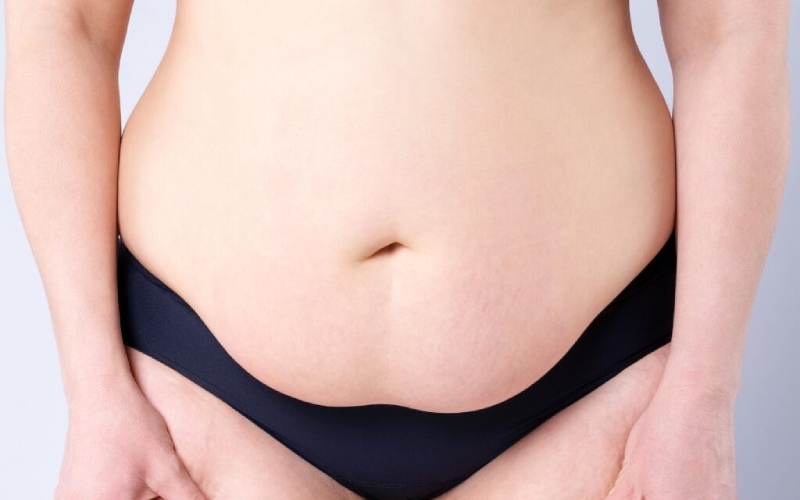
Key Takeaways
- FUPA refers to fat or loose skin in the lower abdominal and upper pubic area.
- Genetics, age, pregnancy, and natural body-fat distribution can influence how this area looks.
- Exercises that target the abdomen can strengthen muscles, but they cannot selectively burn fat from one specific area.
- Nutrition, regular physical activity, and resistance training can support overall health and body composition.
- Medical and cosmetic procedures may be options for some people, but they have limitations and potential risks.
- Having a FUPA is common and does not automatically indicate a health problem.
What Is a FUPA?
FUPA is an informal term commonly used to describe fullness in the lower abdominal area, particularly the region above the pubic bone. The term is often expanded as “fat upper pubic area.”
This area may contain subcutaneous fat, which is the fat stored beneath the skin. Its appearance can also be influenced by loose skin, connective tissue, abdominal muscle structure, and the natural shape of the pelvis.
A visible lower-abdominal bulge does not necessarily mean someone has excess body fat. People naturally carry fat in different areas, and the shape of the lower abdomen varies from person to person.
Although the term is widely used in fitness and beauty discussions, FUPA is not a medical diagnosis.
Why Is Lower Abdominal Fat Sometimes Difficult to Change?
Fat distribution is influenced by several factors, including genetics, hormones, age, and overall energy balance. Some people naturally store more subcutaneous fat around their lower abdomen and hips than in other areas.
When someone loses body fat, the amount lost from each body region depends partly on individual biology. The lower abdomen may change more slowly than other areas, but this is not universal.
There is also no reliable way to determine a person’s hormone levels or metabolic health simply by looking at their lower abdomen.
It is important to avoid extreme dieting or excessive exercise in an attempt to change one particular body area. These approaches can affect energy levels, recovery, and overall well-being without guaranteeing a specific result.
FUPA vs. Belly Fat: What Is the Difference?
The terms “FUPA” and “belly fat” are often used interchangeably, but they do not describe exactly the same thing.
| Feature | FUPA | Abdominal fat |
| Common meaning | Fullness above the pubic area | Fat around the abdomen |
| Fat type | Often subcutaneous fat | Can include subcutaneous and visceral fat |
| Other influences | Loose skin and tissue structure | Overall fat distribution and body composition |
| Can exercise target it directly? | No | No |
| Is it automatically unhealthy? | No | Not necessarily; health depends on several factors |
Subcutaneous fat sits beneath the skin, while visceral fat is located deeper inside the abdomen around internal organs. These are different types of fat, and their health implications are not identical.
The appearance of the lower abdomen alone cannot tell you how much visceral fat someone has or whether they have a metabolic condition.
What Causes a FUPA?
Several factors can contribute to fullness in the lower abdominal and upper pubic region.
1. Genetics and Natural Fat Distribution
Genetics influence where the body stores fat and how body shape changes over time. Some people naturally carry more fat around the lower abdomen, even when other parts of their bodies appear relatively lean.
This distribution is not a personal failure, and it does not automatically mean that a person needs to lose weight.
2. Pregnancy and Postpartum Changes
Pregnancy can change the abdominal muscles, skin, and connective tissues. After childbirth, some people notice lasting changes in the shape or firmness of their lower abdomen.
These changes can occur even when body weight returns to its previous level. Recovery varies, and not every postpartum abdominal bulge is caused by excess fat.
If abdominal discomfort, a persistent bulge, or muscle separation is a concern after pregnancy, a healthcare professional or qualified pelvic health physiotherapist can help assess the cause.
3. Age and Skin Elasticity
Skin elasticity and body composition can change with age. The skin may not return to its previous firmness after substantial weight changes, and the distribution of body fat can also shift.
When loose skin contributes to the appearance of the lower abdomen, losing additional fat may not fully change the area.
4. Weight Changes
Weight gain can increase fat stored in the lower abdomen, while substantial weight loss may leave some loose skin behind.
Repeated weight changes can affect how the skin and underlying tissues look, although the degree of change varies considerably between individuals.
5. Hormonal and Medical Factors
Hormones influence body-fat distribution, but a lower-abdominal bulge alone is not evidence of a hormonal imbalance.
Certain medications and medical conditions can affect body weight or abdominal appearance. Persistent or unexpected changes should be assessed in the context of other symptoms and medical history rather than appearance alone.
Can You Reduce a FUPA Naturally?
There is no guaranteed way to eliminate lower-abdominal fullness naturally. However, if subcutaneous fat is a contributing factor, gradual changes in overall body composition may change the area’s appearance over time.
The most sustainable approach focuses on balanced nutrition, physical activity, adequate rest, and realistic expectations.
1. Follow a Balanced Eating Pattern
A balanced diet supports energy levels, muscle maintenance, and general health. Include a variety of foods such as:
- Protein sources, including beans, lentils, eggs, dairy products, fish, or other suitable options.
- Fruits and vegetables for fiber, vitamins, and minerals.
- Whole grains and other carbohydrate sources for energy.
- Healthy fat sources such as nuts, seeds, and olive oil.
- Water and other suitable drinks to maintain hydration.
No particular food or diet can selectively remove lower-abdominal fat. Restrictive eating plans and cutting out entire food groups are not necessary for everyone and may make it harder to meet nutritional needs.
2. Include Strength Training
Resistance exercises can improve muscular strength and support general fitness. Depending on your ability and experience, a balanced routine may include squats, rows, presses, glute bridges, and other full-body movements.
Core exercises can strengthen the abdominal muscles, but they do not directly burn the fat covering those muscles.
Choose activities that suit your fitness level, allow time for recovery, and prioritize proper technique over intensity.
3. Strengthen Your Core
Core training can improve stability, coordination, and posture. Examples include bird dogs, dead bugs, and modified planks when appropriate for your ability.
These movements may help you develop better muscular control, but they cannot guarantee a flatter lower abdomen. The shape of this area is also affected by skin, anatomy, and natural fat distribution.
If you experience pain, have recently given birth, or suspect abdominal muscle separation, seek individualized guidance before starting a demanding core routine.
4. Stay Physically Active
Walking, cycling, swimming, dancing, and other enjoyable activities can support cardiovascular health and general well-being.
You do not need to follow an extreme workout schedule to benefit from movement. Choose activities that fit your daily routine and can be maintained comfortably.
5. Prioritize Sleep and Recovery
Adequate sleep supports physical recovery, mood, and overall health. Poor sleep can affect appetite regulation and energy levels, but improving sleep does not specifically target fat in the lower abdomen.
A consistent sleep schedule and a balanced daily routine are more useful than relying on so-called hormone-balancing shortcuts.
Do FUPA Exercises Really Work?
Exercises marketed specifically for FUPA reduction can strengthen muscles around the abdomen and hips, but no exercise can guarantee fat loss from a chosen body part.
The following exercises may be useful as part of a balanced fitness routine:
| Exercise | Main benefit |
| Bird dog | Core stability and coordination |
| Dead bug | Abdominal control |
| Glute bridge | Glute and hip strength |
| Squat | Lower-body strength |
| Walking | Cardiovascular health and general activity |
| Modified plank | Core endurance |
Select exercises based on your ability, comfort, and fitness goals. Consistency and appropriate recovery matter more than completing a particular number of repetitions.
Medical and Cosmetic Options for Lower Abdominal Fullness
Some people explore cosmetic procedures when fat or loose skin remains a concern. These options differ in their purpose, effectiveness, cost, and risks.
Non-Surgical Body Contouring
Procedures such as cryolipolysis, which uses controlled cooling, and certain radiofrequency treatments are marketed for localized fat reduction or skin tightening.
Results vary by device, treatment area, and individual characteristics. These procedures do not provide general weight loss, and they cannot reliably correct every cause of lower-abdominal fullness.
Potential side effects and complications should be discussed with a qualified healthcare professional before treatment.
Liposuction
Liposuction is a surgical procedure that removes selected areas of fat. It may change body contours, but it does not treat every cause of a lower-abdominal bulge and is not a treatment for obesity or metabolic disease.
As with any surgery, it involves recovery time and potential complications. A qualified surgeon can explain whether it is appropriate and what results are realistic.
Procedures for Excess Skin
When loose skin is the main concern, fat-reduction treatments may have limited results. In selected cases, surgery may be discussed with a qualified surgeon, depending on the amount of excess skin, medical history, and individual goals.
Cosmetic treatment is optional. A lower-abdominal bulge does not need to be removed for someone to be healthy.
When Should You Seek Medical Advice?
A FUPA by itself is usually not a medical concern. However, a new or changing abdominal bulge should not automatically be assumed to be body fat.
Consider seeking medical advice if you notice:
- A sudden or unexplained change in abdominal size.
- Persistent abdominal or pelvic pain.
- A localized bulge that becomes more noticeable when coughing or straining.
- Persistent bloating or changes in bowel or bladder habits.
- Abdominal swelling accompanied by other unusual symptoms.
Seek urgent medical attention for severe or rapidly worsening abdominal pain, especially if accompanied by vomiting, fainting, or significant abdominal swelling.
A healthcare professional can assess whether the change is related to fat distribution, skin, abdominal muscles, a hernia, or another condition.
Understanding Body Image and FUPA
Online discussions about FUPA often focus on appearance, which can create unrealistic expectations about how a lower abdomen should look.
In reality, abdominal shape varies widely. Genetics, anatomy, digestion, posture, skin elasticity, and natural fat distribution can all influence appearance.
A visible lower abdomen is not proof of poor health, and a flat stomach is not a requirement for fitness or well-being.
If you decide to pursue a fitness or cosmetic goal, focus on your own comfort and health rather than comparisons with edited photos or unrealistic online claims.
Conclusion
FUPA is a common, informal term for fullness in the lower abdominal and upper pubic area. It can reflect subcutaneous fat, loose skin, connective tissue changes, or a combination of factors.
Balanced nutrition, enjoyable physical activity, strength training, and adequate recovery can support overall health and may change body composition over time. However, no diet or exercise can selectively remove fat from the lower abdomen.
Medical and cosmetic procedures are available for some concerns, but they have limitations and should be discussed with qualified professionals.
The most important point is that a FUPA is not a health diagnosis or a personal failure. Understanding the factors that influence your body can help you make informed choices without relying on extreme diets, unproven hormone claims, or unrealistic promises.
Frequently Asked Questions
Can diet alone remove a FUPA?
Diet can influence overall body composition, but it cannot selectively remove fat from the lower abdomen. A balanced eating pattern is most useful when combined with regular activity and adequate recovery.
Is a FUPA made of fat or loose skin?
It can involve subcutaneous fat, loose skin, connective tissue, or a combination. The cause varies from person to person.
How long does it take to change lower-abdominal fat?
There is no universal timeline. Changes depend on individual biology, starting body composition, health, and other factors. A specific number of weeks cannot guarantee a particular appearance.
Do exercises specifically designed for FUPA reduction work?
Core exercises strengthen abdominal muscles, while full-body activity supports general fitness. Neither can guarantee fat loss from the lower abdomen alone.
Can a FUPA be removed permanently?
No treatment can guarantee a permanent result for everyone. Surgical and non-surgical procedures have different limitations, and natural changes in body composition and skin can continue over time.
Is having a FUPA unhealthy?
Not necessarily. Appearance alone cannot determine someone’s health. Medical advice is appropriate when a bulge changes unexpectedly or occurs with pain or other concerning symptoms.



