
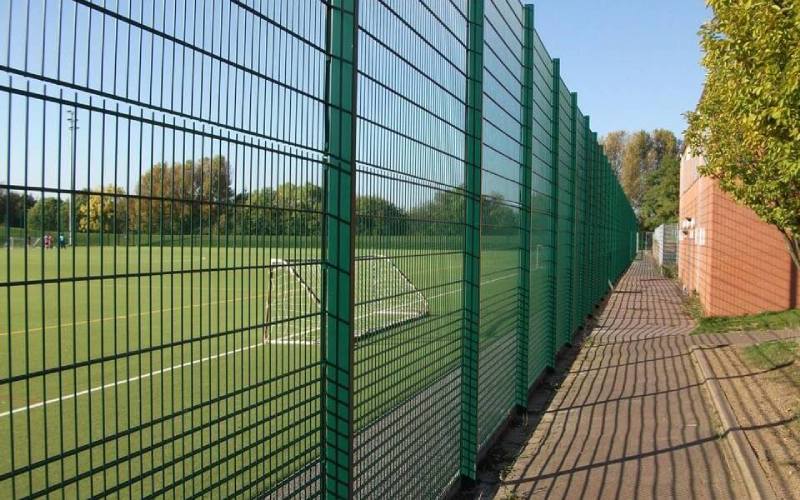
Harmonicode Sports is a term that may appear in discussions involving fencing systems, including concertina fencing and related perimeter-security products. However, the term itself does not have a widely established technical definition in the fencing industry.
Concertina fencing is a recognized type of security barrier used in a variety of commercial, industrial, agricultural, and perimeter-security settings. Understanding how these systems differ can help explain their intended applications and limitations.
What Is Concertina Fencing Wire?
Concertina fencing wire is a coiled security barrier made from wire and metal strips formed into interconnected loops. When deployed, the coils create a physical barrier designed to discourage unauthorized access.
Unlike ordinary fencing, concertina systems are primarily intended as security barriers rather than simple boundary markers.
Because these products can have sharp components, they should be handled and installed only by appropriately trained adults and in accordance with applicable safety requirements and local regulations.
Razor Fence: A Type of Security Barrier
A razor fence uses metal strips fitted with sharp-edged points or blades. These barriers are designed to make climbing or passing through the fence difficult.
Razor fencing can be found in some high-security environments and around certain industrial or restricted areas. Its use is generally based on the need for a stronger physical deterrent than conventional fencing.
Because of the potential for serious injury, appropriate warning signs, safe clearances, and professional installation are important considerations.
Razor Wire vs. Barbed Wire: What Is the Difference?
Razor wire and barbed wire are both security fencing products, but they have different constructions.
| Feature | Razor Wire | Barbed Wire |
| Construction | Wire with sharp metal blades | Wire with pointed barbs |
| Appearance | Blade-like cutting points | Twisted wire with barbs |
| Typical use | Higher-security perimeter barriers | Agricultural and general boundary fencing |
| Physical deterrence | High | Moderate to high |
| Cost | Generally higher | Generally more economical |
The appropriate choice depends on the location, security requirements, regulations, and type of property being protected.
What Is Triple-Strand C Wire?
The phrase triple-strand C wire can refer to fencing arrangements involving multiple strands of wire. Similar multi-strand wire systems are commonly used for agricultural boundaries, livestock areas, and rural properties.
The exact meaning of the term can vary by manufacturer or region, so specifications should always be checked before purchasing or installing a particular product.
Where Are These Fencing Systems Used?
Different fencing systems serve different purposes.
Common applications can include:
- Property boundaries
- Agricultural land
- Industrial facilities
- Restricted-access areas
- Storage and utility sites
- Certain high-security locations
Not every fencing system is suitable for every environment. Factors such as local regulations, nearby pedestrians, animals, terrain, and the required level of security should be considered before selecting a barrier.
A Practical Example
Consider a property that needs stronger perimeter protection than a standard chain-link or agricultural fence can provide.
A property owner might compare several options based on security requirements, maintenance, cost, visibility, and safety. In a situation involving a high-security barrier, professional advice can help determine which legally permitted system is appropriate.
The key point is that fencing should be selected according to the property’s actual requirements rather than simply choosing the most visually intimidating option.
Safety Considerations
Security fencing with sharp components presents additional safety concerns.
Before installing or modifying such a system, property owners should consider:
- Local building and fencing regulations
- Protection of children, pedestrians, and animals
- Appropriate warning signs
- Safe placement and accessibility
- Professional installation
- Routine inspection and maintenance
For residential or publicly accessible areas, a conventional fence may sometimes be a more appropriate choice because of the potential hazards associated with sharp security barriers.
Frequently Asked Questions
What is concertina fencing wire?
Concertina fencing wire is a coiled security barrier made from wire and metal components arranged in interconnected loops. It is primarily used as a perimeter-security deterrent.
How does razor wire differ from barbed wire?
Razor wire uses sharp metal blades attached to the wire, while traditional barbed wire uses pointed barbs. Razor wire is generally designed for higher-security applications.
What is a razor fence?
A razor fence is a security barrier incorporating razor-style wire or similar sharp-edged components. It is used in certain locations where additional perimeter deterrence is required.
What is triple-strand C wire?
Triple-strand C wire is a term that may describe a multi-strand fencing arrangement. Its exact specifications can vary, so users should consult the manufacturer’s product information.
Are concertina and razor fences suitable for residential properties?
They may not be appropriate for many residential environments because of the injury risks associated with sharp components. Local regulations, safety considerations, and the surrounding environment should be evaluated before selecting such a barrier.
Is “Harmonicode Sports” a standard fencing term?
“Harmonicode Sports” is not a widely recognized technical category for fencing systems. The term may be used in particular online contexts, but recognized fencing terms include concertina fencing, razor wire, and barbed wire.
Conclusion
Concertina fencing, razor wire, barbed wire, and multi-strand fencing systems are different types of perimeter barriers designed for different applications.
While Harmonicode Sports may be associated with discussions of these systems online, it should not automatically be treated as an established industry classification.
Understanding the construction, purpose, safety considerations, and appropriate applications of each fencing type is more useful than relying on a generic label. For any installation involving sharp security barriers, checking local requirements and using qualified professionals is especially important.



