
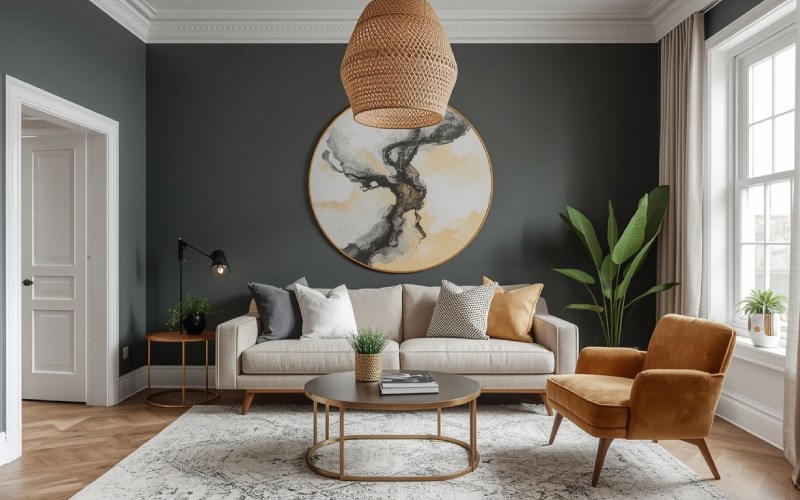
Giving your home a modern look does not always require a complete renovation or a large budget. Often, a few carefully selected changes can improve the appearance, comfort, and functionality of a space.
Whether you want to refresh a single room or gradually update your entire home, focusing on paint, lighting, storage, flooring, textures, and personalized details can make a noticeable difference.
Here are 10 practical upgrading tips for Decoradhouse that can help create a more comfortable and modern living environment.
1. Refresh Your Walls With Paint
A fresh coat of paint is one of the simplest ways to transform a room.
Neutral shades can create a calm and versatile backdrop, while carefully selected accent colors can add personality. If you want something more distinctive, consider techniques such as limewash, textured finishes, or geometric color blocking.
Paint does not have to be limited to the walls. A carefully chosen ceiling color can also add visual interest and make a room feel more thoughtfully designed.
Before painting, prepare the surface properly by cleaning it, repairing imperfections, and using the appropriate primer where necessary.
2. Make Lighting Part of the Design
Good lighting can dramatically change how a room looks and feels.
Instead of relying on a single ceiling fixture, consider a layered lighting approach that combines three basic types:
- Ambient lighting for general illumination
- Task lighting for activities such as reading or cooking
- Accent lighting for artwork, architectural features, or decorative areas
Natural light should also be considered when planning a room. Curtains, blinds, and furniture placement can be adjusted to make better use of available daylight.
Installing dimmer controls where compatible can provide additional flexibility and allow lighting levels to change throughout the day.
3. Choose Flooring for Style and Function
Flooring has a major influence on the overall appearance of an interior.
Hardwood remains a popular option because of its timeless appearance, while engineered wood can provide an alternative with different construction and performance characteristics.
Luxury vinyl flooring is another practical choice for homeowners who want the appearance of wood or stone with relatively easy maintenance. Carpet can provide warmth and comfort in bedrooms, living rooms, and other areas where a softer surface is preferred.
Whatever material you choose, professional-quality installation is important. Poor preparation or installation can affect both appearance and durability.
4. Create Smarter Storage
Clutter can quickly make even a well-designed room feel smaller and less organized.
Built-in cabinets can provide substantial storage while integrating neatly with the surrounding design. If permanent cabinetry is not practical, consider multifunctional furniture such as:
- Storage ottomans
- Beds with built-in drawers
- Benches with hidden compartments
- Storage coffee tables
- Tall bookcases
Vertical space is particularly useful in smaller rooms. Wall-mounted shelves and tall storage units can increase storage capacity without occupying much floor area.
The most effective storage solution is not simply the one with the most capacity. It should also make frequently used items easy to access.
5. Add Texture for More Visual Depth
A modern room does not have to rely on color alone to create visual interest.
Combining different materials and textures can make an interior feel more layered and comfortable. For example, smooth surfaces such as glass or polished stone can be balanced with natural wood, woven fabrics, or soft upholstery.
Textiles can also introduce texture through:
- Area rugs
- Curtains
- Throw pillows
- Blankets
- Upholstered furniture
The key is balance. Using too many competing textures can make a room feel visually busy, while a thoughtful combination can create a more cohesive appearance.
6. Give Kitchen Cabinets a New Look
The kitchen is often one of the most frequently used spaces in a home, making it an important area for upgrades.
Replacing an entire kitchen can be expensive, but existing cabinets can sometimes be refreshed instead.
Painting cabinet doors can provide a significant visual change when the surfaces are properly prepared. Cleaning, sanding, priming, and using suitable paint are important steps for achieving a durable finish.
Another option is replacing cabinet doors while retaining the existing cabinet boxes. New handles and hinges can also provide a relatively simple update.
Inside the cabinets, organizers, pull-out shelves, and drawer dividers can make everyday storage more efficient.
7. Don’t Forget the Fifth Wall: The Ceiling
Ceilings are often overlooked during interior design projects, but they can become an important decorative feature.
Depending on the home’s architecture, options may include:
- Decorative ceiling beams
- Beadboard
- Tray ceilings
- Ceiling wallpaper
- Decorative moulding
- A contrasting paint color
A subtle ceiling treatment can add character without overwhelming the rest of the room.
Even a simple change in paint color can make the ceiling feel like an intentional part of the overall design.
8. Add Small Bathroom Upgrades
A bathroom can feel significantly more modern without requiring a complete remodel.
Start with smaller details such as:
- Updated faucets
- Modern cabinet hardware
- New mirrors
- Improved lighting
- Updated towel bars
- Fresh accessories
For larger renovations, options such as frameless glass shower enclosures, contemporary tile, and heated flooring can create a more comfortable and refined space.
Water-efficient fixtures can also help reduce water consumption while maintaining practical bathroom functionality.
9. Bring More Nature Indoors
Plants can add color, texture, and natural character to an interior.
A larger plant can serve as a focal point in a living room or entryway, while smaller plants can be placed on shelves, tables, or window areas.
If floor space is limited, hanging planters and wall-mounted plant displays can make use of vertical areas.
Choose plants according to the amount of natural light available and the level of maintenance you are comfortable with. Artificial plants can also be considered when caring for live plants is impractical.
10. Add Personal Details
The final step in upgrading a home is making sure it reflects the people who live there.
Personal details can make an interior feel more distinctive than simply following current design trends.
Consider displaying:
- Family photographs
- Original artwork
- Travel memories
- Books
- Personal collections
- Handmade decorations
- Meaningful objects
A gallery wall can combine photographs and artwork, while custom shelving or built-in storage can be designed around specific hobbies or interests.
Trends change over time, but personal elements often give a home a more lasting sense of identity.
How to Plan a Modern Home Makeover
You do not need to complete every upgrade at once. A phased approach can make a home improvement project easier to manage.
Start by identifying the areas that have the biggest impact on your everyday life. Lighting, storage, paint, and small hardware changes can often provide noticeable improvements without major construction.
For larger projects, establish a budget before work begins and consider both material and installation costs.
It is also useful to prioritize function before decoration. A beautiful room that does not provide enough storage, lighting, or comfortable space may not work well in everyday life.
Conclusion
Upgrading Tips Decoradhouse does not have to mean completely remodeling your home. Simple improvements to paint, lighting, flooring, storage, textures, kitchen cabinets, ceilings, bathrooms, and natural elements can gradually transform an interior.
The most successful home upgrades balance appearance with practicality. Instead of following every design trend, choose improvements that suit your lifestyle, space, and budget.
With thoughtful planning and a focus on personal style, even small changes can make a home feel more comfortable, functional, and distinctly your own.



