
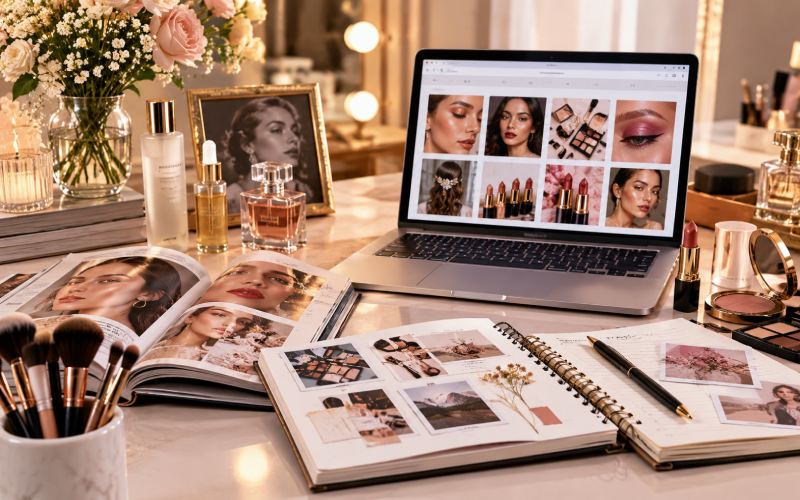
The beauty industry has changed dramatically over the past two decades. Blogs, social media, video platforms, influencers, and short-form content have transformed the way people discover makeup and skincare products. Among the names associated with the earlier era of beauty blogging is Beauty Archives WhatUTalkingBoutWillis, a platform described as focusing on practical beauty advice, product reviews, tutorials, and industry commentary.
The appeal of a beauty blog like this comes from its ability to offer something different from highly polished advertising campaigns. Readers often want practical information: how a product performs in everyday conditions, whether an expensive item is worth the money, how a trend can be adapted, and what ingredients or claims actually mean.
This article explores the reported origins and content philosophy of Beauty Archives WhatUTalkingBoutWillis, its approach to beauty discussions, the role of community engagement, and the broader reasons why long-form beauty content can still be valuable in the social-media era.
The Origins of Beauty Archives WhatUTalkingBoutWillis
Beauty blogging became increasingly popular during the late 2000s, when independent creators began publishing reviews and tutorials outside traditional magazines and advertising channels.
Beauty Archives WhatUTalkingBoutWillis is presented as part of this broader shift toward personal and conversational beauty publishing. Its name, WhatUTalkingBoutWillis, gives the platform an informal identity and suggests a style built around conversation rather than conventional editorial beauty coverage.
The blog’s described approach places emphasis on practical experiences instead of simply repeating marketing messages. Product discussions can include makeup performance, application techniques, comparisons, and considerations such as price and suitability for different users.
One particularly useful aspect of independent beauty publishing is the ability to compare products across different price categories. A reader may be interested in both luxury cosmetics and affordable drugstore alternatives, making performance-based comparisons more useful than price alone.
Content Philosophy and Core Values
The strongest beauty blogs typically develop a recognizable editorial approach. The content associated with Beauty Archives WhatUTalkingBoutWillis can be understood through several major themes.
1. Honesty and Transparency
Product reviews are most useful when they discuss both strengths and weaknesses.
Instead of describing every product as a must-have, a balanced review should explain where an item performs well and where it may fall short. Factors such as texture, coverage, longevity, application, finish, price, and individual preferences can all affect the final experience.
Transparency is especially important when content involves affiliate links, sponsorships, gifted products, or brand partnerships. Readers should be able to distinguish editorial opinions from paid promotions.
2. Inclusivity and Representation
Beauty advice becomes more useful when it recognizes that people have different skin tones, skin types, ages, features, and preferences.
A foundation, concealer, lipstick, or eyeshadow technique may perform differently depending on the individual. Shade availability is also only one part of inclusivity. Undertones, formulation, accessibility, pricing, and application guidance can matter just as much.
This broader approach helps beauty content move away from the idea that there is one universal definition of what looks good.
3. Education Over Hype
Beauty trends can change quickly. Educational content, however, can remain useful for much longer.
Explaining concepts such as color correction, makeup application, ingredient terminology, skincare basics, or cosmetic formulation can help readers make decisions independently rather than simply following whatever product is currently trending.
Terms such as “clean beauty,” “non-comedogenic,” and “hypoallergenic” also deserve careful explanation because marketing terminology does not always tell consumers everything they need to know about a product.
4. Mindful Beauty Consumption
Modern beauty content increasingly considers the relationship between consumption and sustainability.
Rather than encouraging readers to purchase every new launch, a more mindful approach can focus on using products effectively, choosing versatile items, avoiding unnecessary duplication, and considering packaging and brand practices.
This perspective can be particularly helpful for consumers who want to enjoy beauty products without constantly buying into new trends.
Signature Features of the Blog
A beauty platform can build a loyal readership by developing recurring formats that answer practical questions.
Real-World Product Reviews
Detailed product reviews can be more useful than short promotional descriptions because they give readers context.
A strong review may discuss application, finish, comfort, longevity, packaging, price, and who the product may be best suited for. Comparisons with similar products can also help readers understand whether a particular purchase offers meaningful value.
Photography and testing conditions matter as well. Makeup can appear dramatically different under studio lighting, natural daylight, and indoor lighting, so readers benefit from realistic expectations.
Budget Beauty Roundups
Affordable beauty products remain an important category for consumers who want good performance without spending heavily.
Budget roundups can highlight products from different categories, including foundation, concealer, mascara, lipstick, skincare, and tools. The most valuable comparisons focus on performance and suitability rather than simply labeling one product as the cheapest option.
For students, young professionals, and budget-conscious shoppers, this type of content can make product discovery easier.
Beauty Trend Analysis
Beauty trends often move from one social platform to another within days.
Rather than simply reproducing every viral trend, analytical content can ask more useful questions:
- Where did the trend originate?
- Is it practical for everyday use?
- What products are actually required?
- Can the look be adapted to different preferences?
- Is it a short-lived trend or a technique worth learning?
This approach gives readers context instead of encouraging them to follow every new beauty craze.
Reader Questions and Community Content
Audience interaction can make a beauty blog feel more useful and personal.
Question-and-answer content can address common concerns about makeup application, skincare routines, product selection, and beauty techniques. Community contributions can also introduce experiences that a single writer may not be able to represent.
The result is a broader range of perspectives and a stronger connection between the publication and its readers.
Beauty Blogging in the Age of Social Media
The rise of Instagram, YouTube, and TikTok changed beauty publishing permanently.
Short videos can demonstrate makeup techniques within seconds, while social platforms make it possible for creators to communicate with large audiences almost instantly. This speed has advantages, but it can also make beauty content more focused on trends and quick reactions.
Long-form blogs offer a different experience.
A written review can explain a product’s strengths and weaknesses in greater detail. A tutorial can provide step-by-step context. An ingredient article can explain terminology without being restricted to a short video format.
The most effective modern beauty strategies often combine these formats. Short-form content can attract attention, while longer articles can provide the detailed information readers need before making a decision.
The Importance of Sponsored Content Transparency
Commercial partnerships are now a major part of online beauty publishing. Brands work with creators and publishers to introduce products to consumers, but this creates an important editorial responsibility.
Readers should be able to identify when a product has been sponsored, gifted, or promoted through an affiliate relationship.
Clear disclosures do not necessarily reduce trust. In many cases, transparency can strengthen it because readers understand the relationship between the creator and the brand.
For any beauty blog, maintaining a clear distinction between advertising and independent editorial opinion is an important part of responsible publishing.
Potential Influence on Beauty Culture
Independent beauty publishers have contributed to a wider shift in how consumers evaluate cosmetics and skincare.
Traditional beauty advertising often emphasized aspirational imagery and celebrity endorsements. Online communities created opportunities for consumers to discuss real experiences, compare products, share application techniques, and question marketing claims.
This has contributed to greater consumer awareness around subjects such as:
- Foundation shade diversity
- Ingredient transparency
- Product performance
- Price and value
- Different skin types
- Makeup techniques
- Sustainability
- Authentic product reviews
However, influence should not automatically be confused with formal authority. A beauty blogger can provide valuable firsthand experience without being a dermatologist, cosmetic chemist, or medical professional.
That distinction is particularly important when discussing skincare conditions or health-related claims.
Challenges Facing Beauty Blogs
Maintaining relevance in the modern beauty industry is not easy.
The Speed of Social Media
TikTok and other short-form platforms can make trends popular almost overnight. Traditional publishing schedules may struggle to keep pace.
However, speed is not the only measure of useful content. A carefully researched article can remain valuable long after a trend disappears.
Commercial Pressure
Beauty is a highly commercial industry, and readers are exposed to affiliate links, sponsored campaigns, promotional codes, and product launches every day.
For independent publishers, maintaining editorial independence while generating revenue can be challenging. Clear disclosures and consistent editorial standards are therefore essential.
Changing Consumer Expectations
Today’s beauty audience is more informed than ever. Readers may expect evidence, realistic photography, ingredient explanations, diverse representation, and transparent recommendations.
Beauty publishers need to adapt while avoiding exaggerated claims.
Why Long-Form Beauty Content Still Matters
With so much beauty information available online, readers can easily become overwhelmed.
Long-form content can help organize that information and provide context. Instead of seeing dozens of disconnected product recommendations, readers can explore a complete guide that explains what a product does, who it may suit, what alternatives exist, and what limitations should be considered.
Less Hype, More Context
A viral product is not automatically the right product for everyone.
Detailed articles can separate popularity from practical usefulness and help readers consider their individual needs.
Better Buying Decisions
A thorough review can potentially help consumers avoid unsuitable purchases by explaining important characteristics before they spend money.
Learning Instead of Simply Shopping
The most useful beauty content teaches readers skills and concepts that can be applied repeatedly.
Knowing how to choose a foundation shade or understand basic cosmetic terminology can be more valuable in the long term than discovering a single trending product.
Community and Shared Experiences
Beauty is personal, and different people can have very different experiences with the same product.
Community discussions allow readers to compare experiences and discover perspectives they may not encounter in traditional advertising.
What the Future Could Look Like
The future of beauty publishing will likely continue to combine long-form articles with video, social media, interactive content, and other digital formats.
For a platform such as Beauty Archives WhatUTalkingBoutWillis, several areas could provide opportunities for continued growth:
More Educational Guides
Beginner-friendly resources covering skincare basics, makeup techniques, ingredient terminology, and product selection can provide evergreen value.
Greater Focus on Sustainability
Beauty consumers are increasingly interested in packaging, refill systems, product longevity, and responsible consumption.
Broader Global Perspectives
Beauty traditions differ significantly across cultures. Exploring products, techniques, and perspectives from different regions can create a richer understanding of beauty beyond a single market.
Reader-Driven Content
Polls, questions, community discussions, and reader feedback can help publishers understand which subjects audiences actually want to explore.
How to Evaluate Beauty Advice Online
Regardless of which beauty blog or social platform you use, readers should develop a critical approach to beauty information.
Consider these questions before following a recommendation:
- Is the writer clearly explaining their relationship with the brand?
- Are sponsored or affiliate relationships disclosed?
- Does the article discuss both advantages and limitations?
- Are claims supported by credible information when health or science is involved?
- Is the recommendation appropriate for different skin types and preferences?
- Are photographs presented in realistic lighting?
- Is the advice educational, or is it primarily encouraging a purchase?
These questions can help readers distinguish useful beauty information from simple marketing.
Conclusion
Beauty Archives WhatUTalkingBoutWillis represents the type of conversational beauty publishing that helped make online beauty content more personal and accessible. Its described emphasis on product discussions, practical tutorials, inclusivity, education, and consumer awareness reflects many of the qualities readers continue to value today.
The beauty industry may have moved from blogs toward Instagram, YouTube, TikTok, and other digital platforms, but the need for trustworthy information has not disappeared.
Trends will continue to change. New products will launch. Marketing strategies will evolve. Yet the fundamentals of useful beauty content remain surprisingly consistent: transparency, practical experience, education, diversity, and respect for the reader.
For consumers navigating an increasingly crowded beauty marketplace, thoughtful long-form content can still provide something short-form trends often cannot—context.
Ultimately, the lasting value of beauty publishing is not simply telling people what to buy. It is helping them understand their choices, develop useful skills, and approach beauty on their own terms.
Frequently Asked Questions
What is Beauty Archives WhatUTalkingBoutWillis?
Beauty Archives WhatUTalkingBoutWillis is presented as a beauty-focused blog covering subjects such as product reviews, makeup techniques, beauty trends, and consumer-focused discussions.
What type of content can readers find on the blog?
The content described includes beauty product reviews, budget-friendly recommendations, tutorials, trend analysis, educational articles, and reader-focused discussions.
Does the blog focus only on expensive beauty products?
No. Its described approach includes consideration of both affordable and premium products, with emphasis on performance and suitability rather than price alone.
Why is transparency important in beauty blogging?
Transparency helps readers understand whether content is independent, sponsored, gifted, or connected to affiliate marketing. This context allows readers to better evaluate recommendations.
Can beauty blogs replace professional medical advice?
No. Beauty blogs can provide general cosmetic and skincare information, but medical concerns should be discussed with qualified healthcare professionals.
Why is long-form beauty content still useful?
Long-form articles can provide detailed explanations, comparisons, product context, and educational information that may be difficult to communicate through very short social-media posts.



